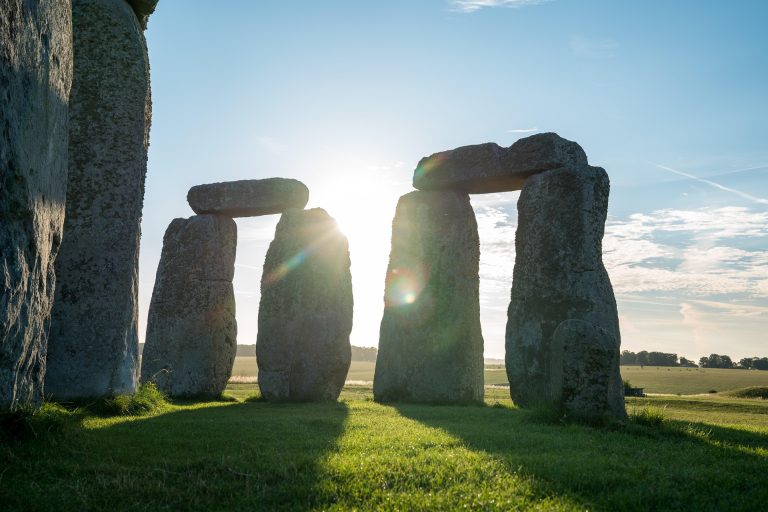
If you’re looking for a truly unique travel experience, you might feel overwhelmed by the sheer number of options promising unforgettable trips. The truth is that few events in the world manage to offer such an evocative atmosphere as the summer solstice at Stonehenge. Every year, on 21 June, thousands of people from every corner of the globe gather here to witness a phenomenon that has been repeating itself for millennia: the sunrise, perfectly aligned with the monument’s ancient stones.
Would you like to find out more about the history of your destinations? Download Tourial!
A place shrouded in mystery
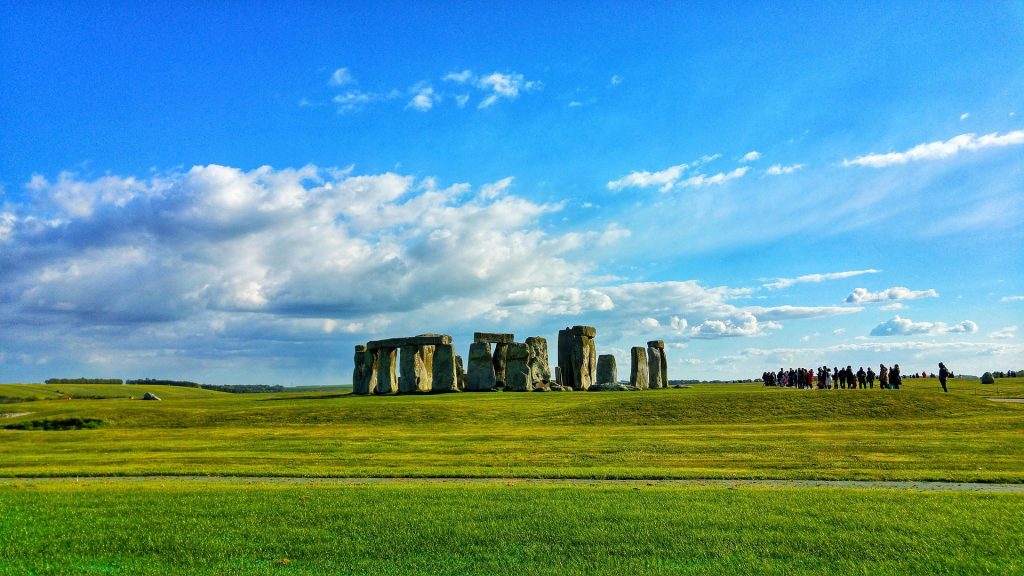
Stonehenge is one of the world’s most famous and fascinating archaeological sites. It is situated in the county of Wiltshire, in the south of England. This megalithic monument dates back over 4,500 years and continues to raise questions amongst scholars and visitors alike. Despite extensive research, the true functions of Stonehenge have never been fully clarified. Some archaeologists believe it was a place of religious worship. Others regard it as an astronomical observatory or an important ceremonial centre. Nevertheless, the link between the site and the movements of the sun is now widely recognised.
The charm of the summer solstice
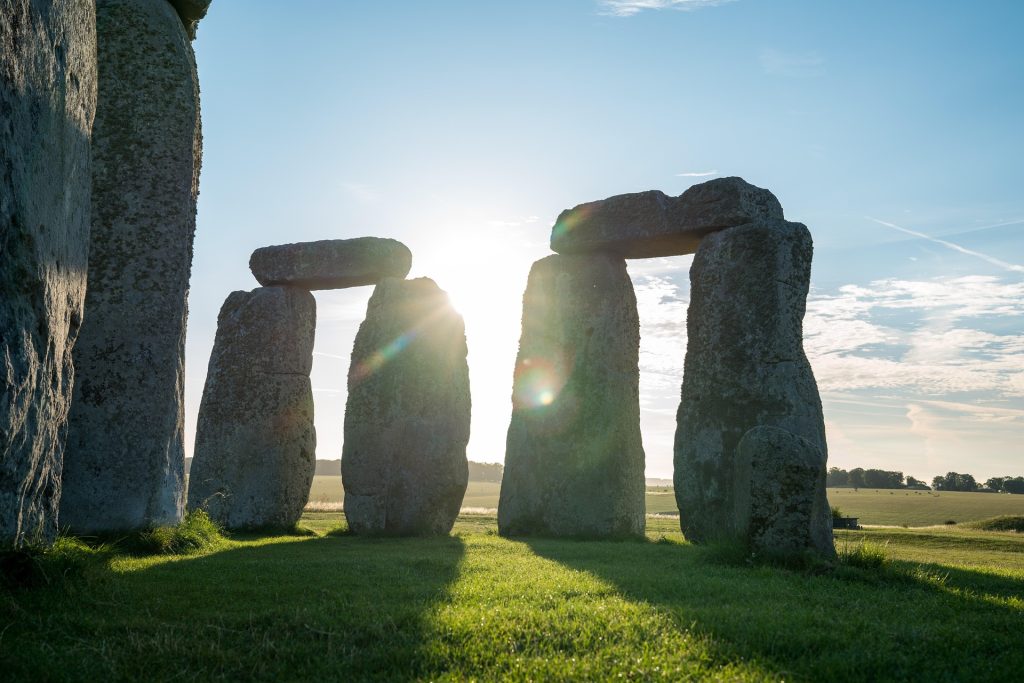
The summer solstice marks the longest day of the year in the northern hemisphere. Since ancient times, this occasion has held profound symbolic significance for many civilisations. They associated it with fertility, the harvest and the cycle of life.
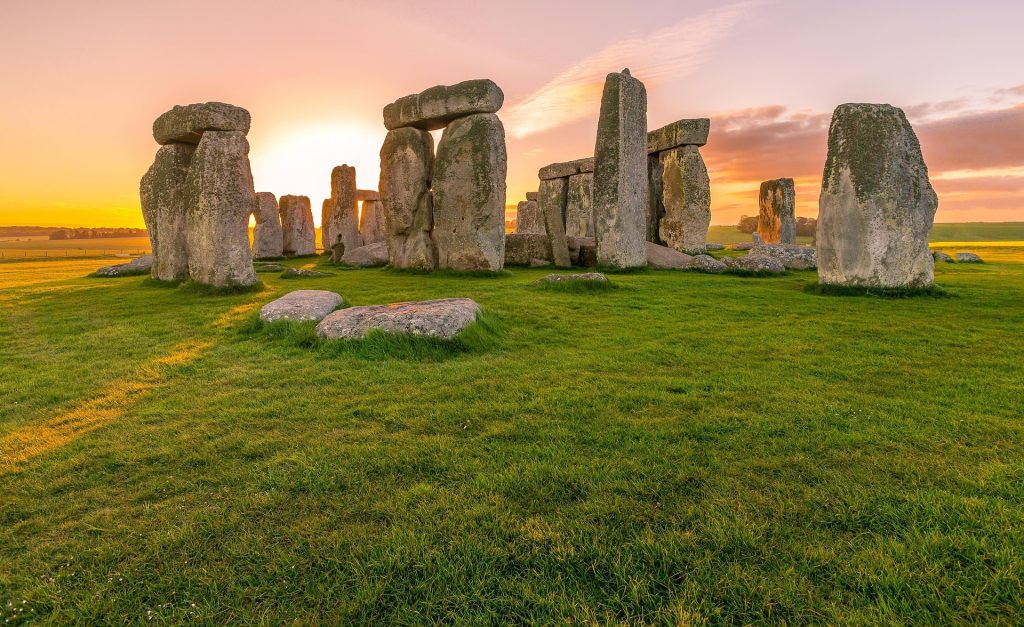
At Stonehenge, this phenomenon takes on an even deeper significance. At dawn on 21 June, the sun rises exactly behind the Heel Stone, a large stone situated outside the main circle. This creates a perfect alignment with the monument. This spectacle demonstrates the astonishing astronomical knowledge of the people who built the site thousands of years ago.
Thousands of visitors
Every year, this event transforms Stonehenge into an international gathering place. Thousands of people gather the night before to wait together for the sunrise. When the first rays of the sun shine through the stones, the silence gives way to applause and collective celebrations, creating a shared moment.
How should I organise my visit?
Taking part requires a bit of planning. Attendance is very high, and thousands of people arrive in the hours leading up to the event. It is advisable to book accommodation in advance in nearby towns such as Salisbury or Amesbury. It is also worth finding out about the transport services organised for the occasion, as traffic in the area can be particularly heavy. That will be your only expense: on the day of the solstice, entry is completely free.
If you’re looking for tips and itineraries, the Tourial blog is just the thing for you!
An experience blending history and spirituality
What makes the solstice at Stonehenge so special is not only the beauty of the sunrise, but also the feeling of being part of a tradition that stretches back through the centuries. There are few places in the world where one can observe an astronomical phenomenon in the very same setting that probably fascinated prehistoric peoples. The site has been associated with religious practices and rituals since prehistoric times. However, we do not know for certain what forms of worship were practised there. Archaeologists believe that the monument has served various purposes over the centuries.
Religions
Among the various cults associated with Stonehenge are:
- Sun worship. The alignment of the stones with the sunrise on the summer solstice and the sunset on the winter solstice suggests a ceremonial function linked to the solar cycles;
- Ancestor worship. Remains of human cremations have been found at the site, indicating that Stonehenge was also a place of burial and commemoration of the dead;
- The Druids. The association between Stonehenge and the Druids is a modern tradition. The monument was already over a millennium old by the time the Druids first appeared in history.