Two days in Budapest is enough to fall in love with the Hungarian capital and, above all, to discover its most unusual side. If you still have a few days of vacation left, or want to make the most of the weekend, the city generally offers pleasant temperatures between late September and early October. The favorable weather allows visitors to stroll through its streets on cooler evenings—perfect for checking out the famous ruin bars or relaxing at the thermal baths. We know it’s always hard to find articles that give you useful information and well-organized itineraries, but here at Tourial, we’ve created the perfect itinerary just for you.
Day 1: Buda and the Castle
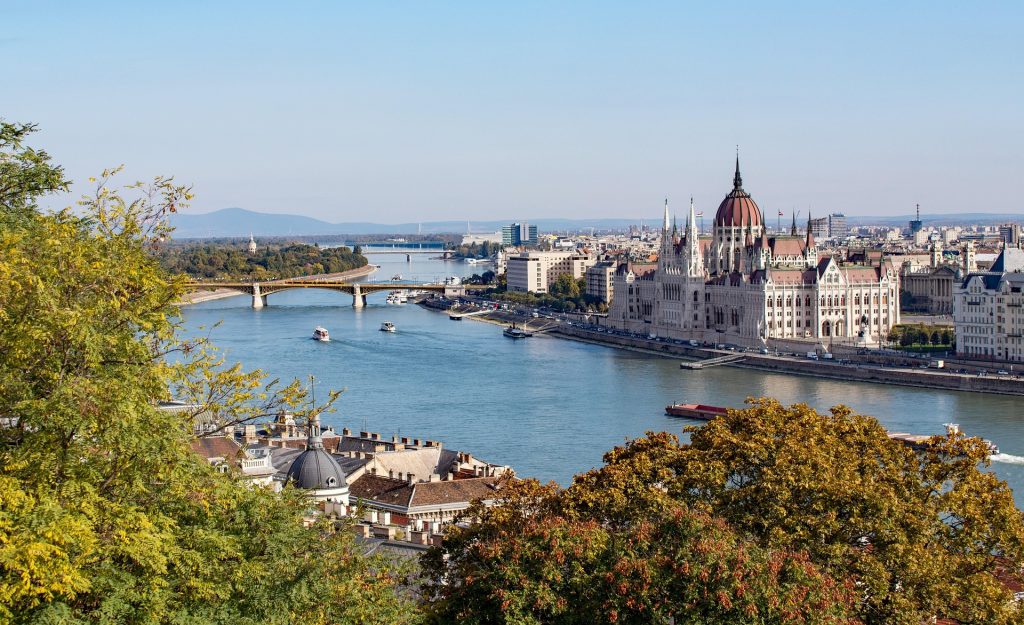
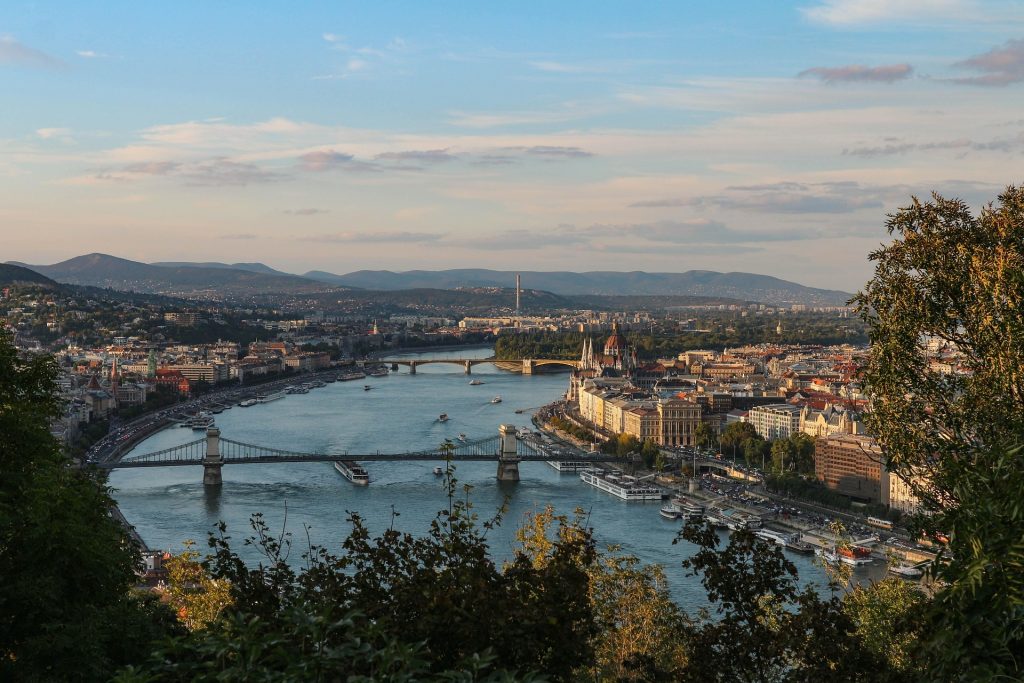
The journey begins in the most scenic part of the city: Buda. This is the oldest part of the city, situated on a hill on the west bank of the Danube. In 1873, it was merged with the cities of Óbuda and Pest to form today’s Hungarian capital. This part of the city is generally associated with a higher standard of living. The most notable sights in this area are Buda Castle and the Citadel. Once you arrive here, head up to Buda Castle and stroll through the streets of the historic district. From here, you can reach the Fishermen’s Bastion, one of the most beautiful vantage points for viewing the Danube and the Parliament Building.
The Legends of Underground Budapest
This area hides some truly strange stories. Beneath Castle Hill lies a complex system of caves and underground passages. Over the centuries, these spaces have served a wide variety of purposes, even being used as shelters during wartime. Here, Budapest begins to reveal its most mysterious side. Legend tells of an 18th-century nobleman, nicknamed the Black Count, who is said to have struck a deal with bandits living in the underground passages. The bandits paid the count to use the tunnels as a hideout, and with that money, he lived a life of luxury. Something terrible happened: an innocent girl died, and her death completely changed the count, who felt responsible. It is said that the girl’s ghost haunted him until his death and that her spirit continues to haunt the underground passages to this day.
The Ruin Bars
After visiting the Castle, we recommend crossing the Danube and heading to Pest. Take a stroll along the riverbank to the Parliament Building and stop in front of the Shoes on the Danube Bank, the memorial dedicated to the victims of the Holocaust. Then head to the Jewish Quarter and discover Budapest’s ruin bars. These are nightspots housed in abandoned buildings and old factories. The most famous is Szimpla Kert, a huge venue housed in an old building, where salvaged furniture, unlikely objects, and rooms that are all completely different from one another create an almost surreal atmosphere.
Day 2: The Széchenyi Thermal Baths
On this second day, we’ll spend the morning at the Széchenyi Thermal Baths, one of the city’s most famous spa complexes. The large outdoor pools are especially picturesque when the air begins to cool in the fall. After your swim, head to Heroes’ Square and the nearby Városliget Park. The park is the city’s true “lung”; it covers 100 hectares and, as its name suggests, is located in the heart of the city near Hősök tere. In the afternoon, we recommend heading back toward the city center and spending a few hours exploring the most distinctive areas of Pest.
The Danube at Night
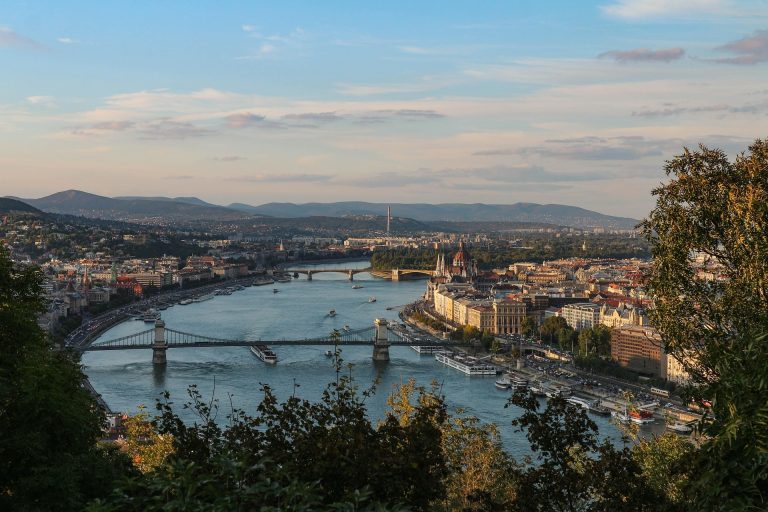
Another completely different experience you won’t want to miss is a night cruise on the Danube. It’s not just a tourist dinner cruise: after sunset, the Parliament Building, Buda Castle, and the illuminated bridges completely transform the skyline. You can find a variety of options, from sightseeing cruises to those featuring music and dinner, such as Legenda City Cruises. The cost of this experience is around €12.
How to get around Budapest?
Getting around Budapest is fairly easy and, compared to many other European capitals, also quite affordable. The metro, tram, and bus network is extensive and makes it easy to reach the main attractions. A single-ride ticket costs about 500 forints, just over 1 euro, while for a two-day trip, it may be worth considering a pass: the 24-hour travelcard costs 2,750 forints (about 7 euros) and the 72-hour travelcard costs 5,750 forints. For a two-day itinerary, therefore, factoring in a few trips each day, you should be able to get around easily by public transportation for about 10–15 euros per person. Tickets can also be purchased through the official app BudapestGO.