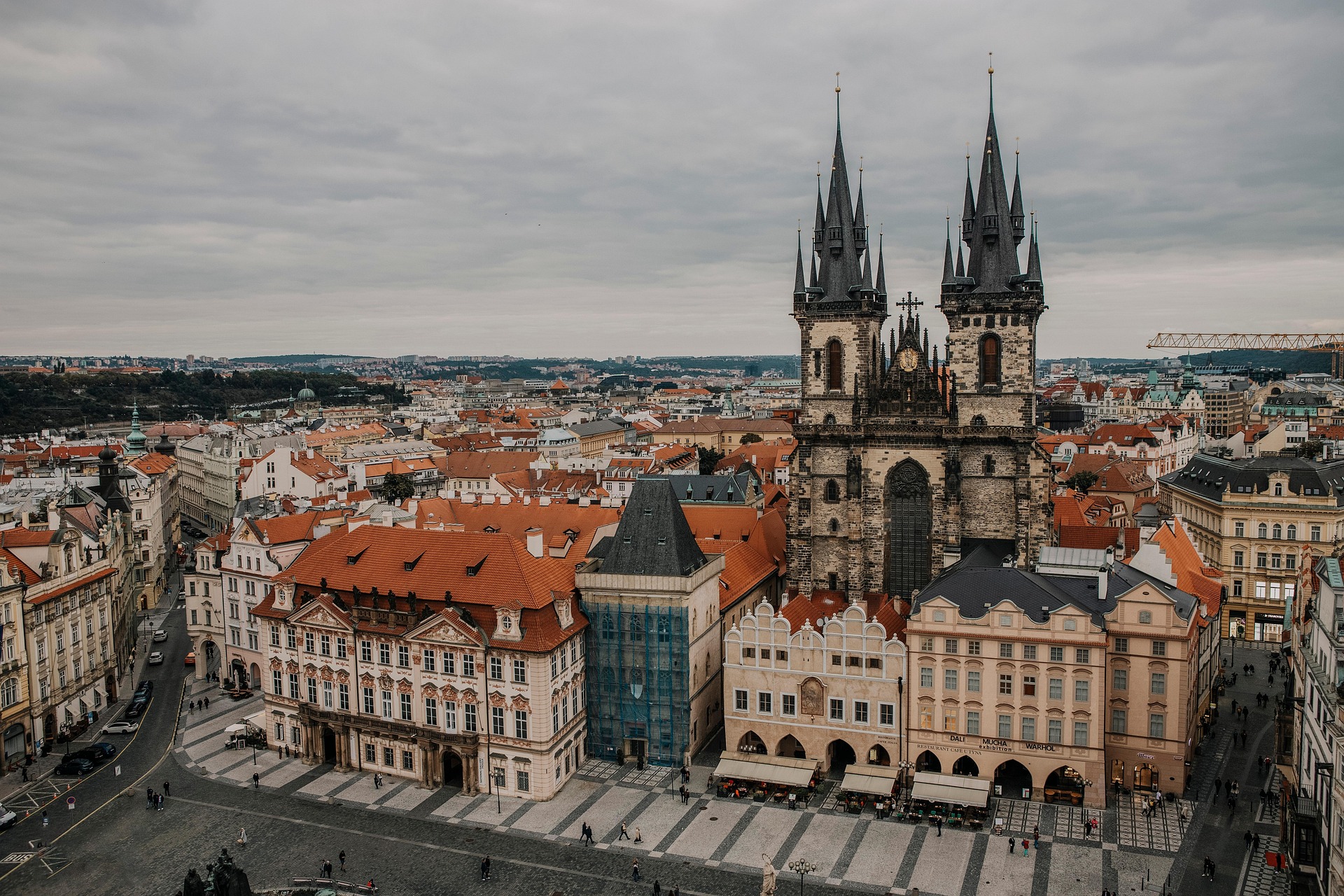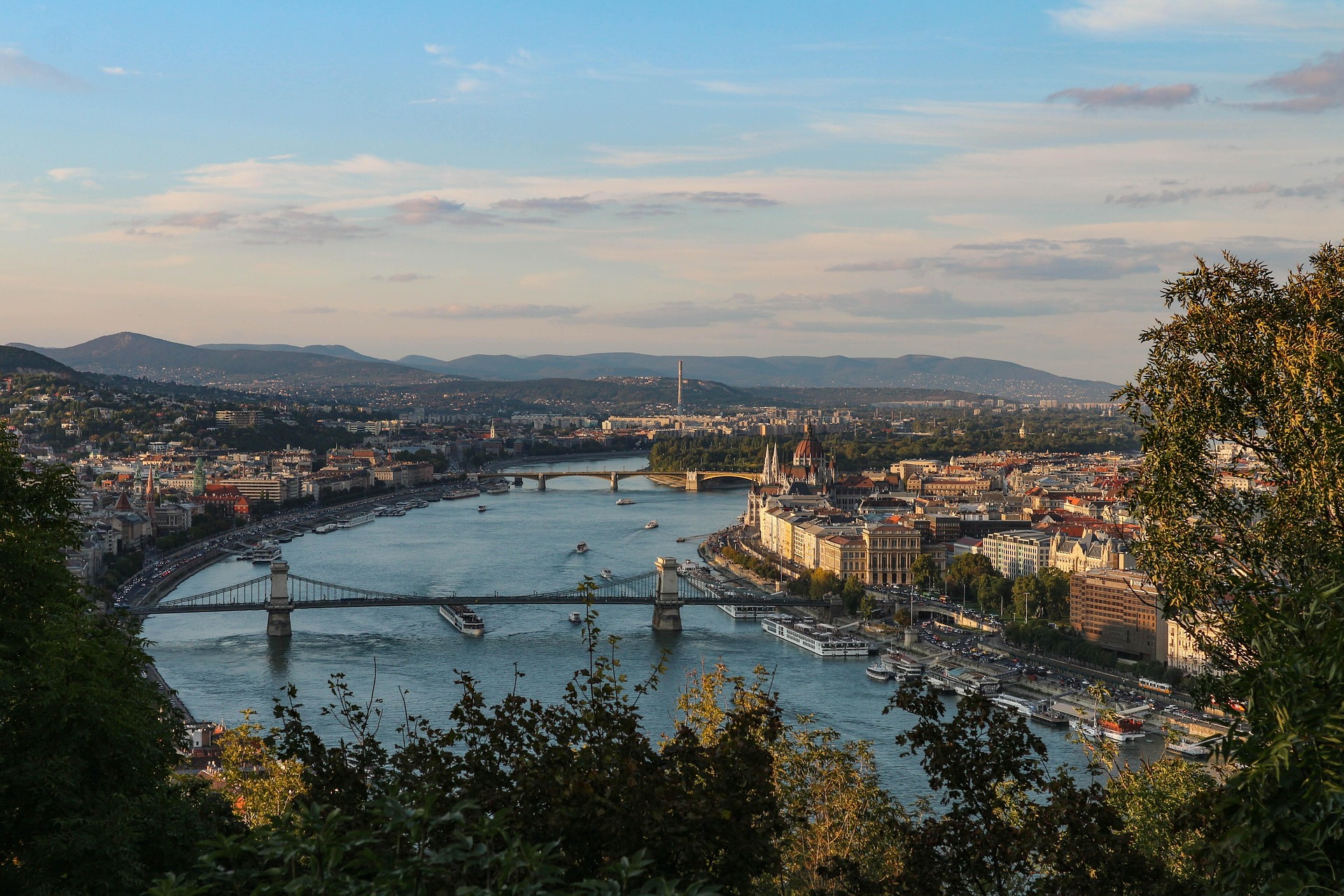
Fashion is speaking Italian again. With the filming of The Devil Wears Prada 2, Lombardy takes center stage on this journey. The sequel to the iconic film that defined an entire generation of fashion lovers features historic villas, exclusive hotels, and lake views as the backdrop for its story. With this “The Devil Wears Prada” itinerary, the Tourial team takes you on a journey to discover the locations featured in the film.
Milan: The Beating Heart
The journey in search of the new chapter in the saga could only begin in Milan. Italy’s fashion capital is the ideal meeting point between haute couture and international cinema. Rumors about the filming mention sets being built in the Galleria Vittorio Emanuele II, Piazza della Scala, and the exclusive Hotel Palazzo Parigi.
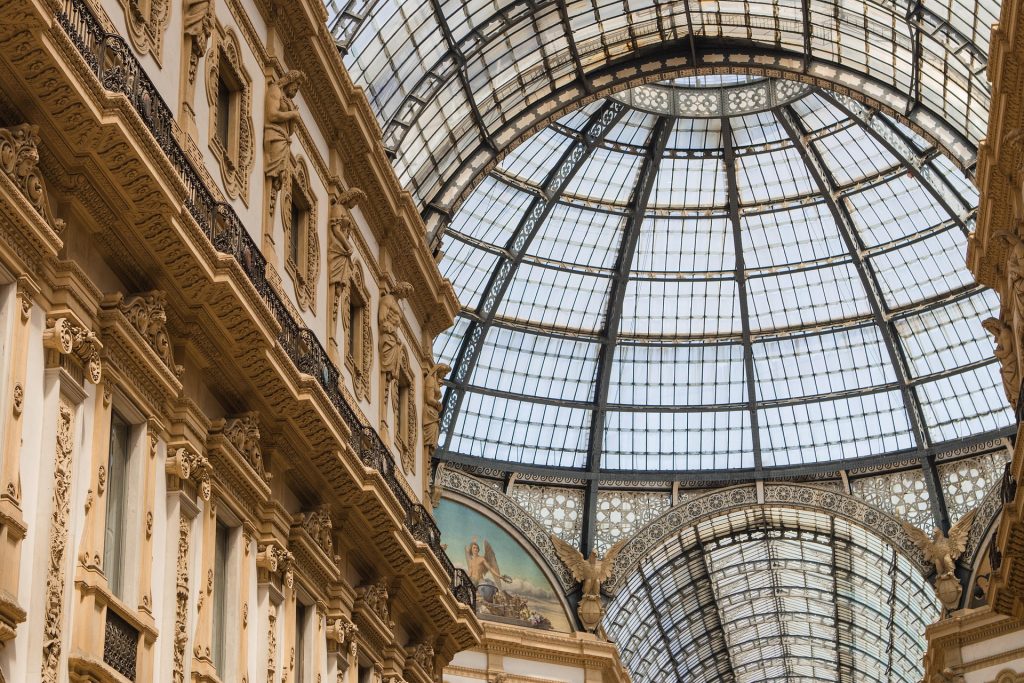
Vittorio Emanuele II Gallery
A must-see is the Galleria Vittorio Emanuele II, a symbol of Milanese elegance. Here you can stroll around on a shopping tour and take glamorous photos. It is essentially a covered pedestrian street that connects Piazza Duomo to Piazza della Scala. Built in the mid-19th century, this setting from *The Devil Wears Prada 2* is nicknamed the “Salotto di Milano” (Milan’s Living Room). Not far away, the Brera neighborhood offers a more artistic vibe, with independent boutiques and sophisticated venues. That’s exactly where we’ll find the next location
The Brera Academy of Fine Arts
TheBrera Academy of Fine Arts, on the other hand, was used as a venue for a fashion show. It is a public university, founded in 1776 by Maria Theresa of Austria. It is located within Palazzo Brera, which as a whole also houses the Astronomical Observatory, the Lombard Institute of Sciences and Letters, the Braidense National Library, and the Botanical Garden.
Would you like to explore other itineraries with Tourial? Follow our blog!
The Hotel Palazzo Parigi
The film was also set against the backdrop of Palazzo Parigi Hotel & Grand Spa Milan, one of the city’s most famous luxury hotels. The complex is located on Corso di Porta Nuova, between Brera and the Fashion District. It is a five-star hotel that opened in 2013. The hotel was designed by architect and owner Paola Giambelli, with interiors also designed by French designer Pierre-Yves Rochon.
Villa Arconati
Another location chosen by the production team was Villa Arconati. The complex is often referred to as “the little Versailles of Lombardy.” It is located in Castellazzo di Bollate, just outside Milan, nestled within a vast historic park that was once part of the Milanese aristocratic countryside. The villa is primarily associated with the Arconati family, one of the most powerful and cultured families in Lombardy during the 17th and 18th centuries.
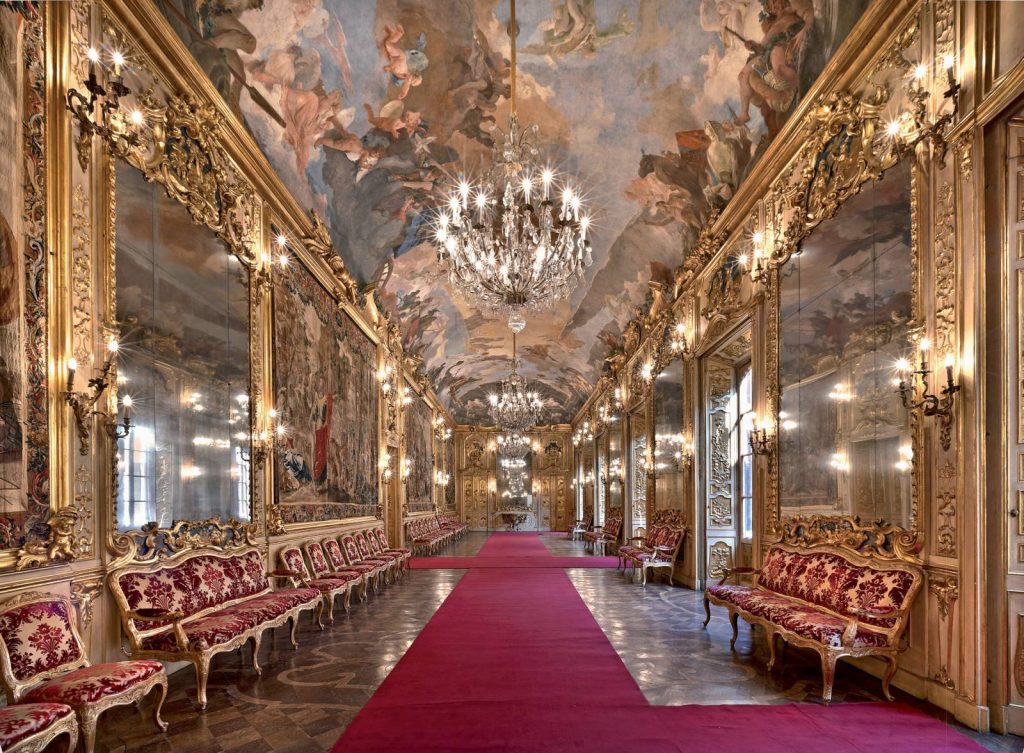
Clerici Palace
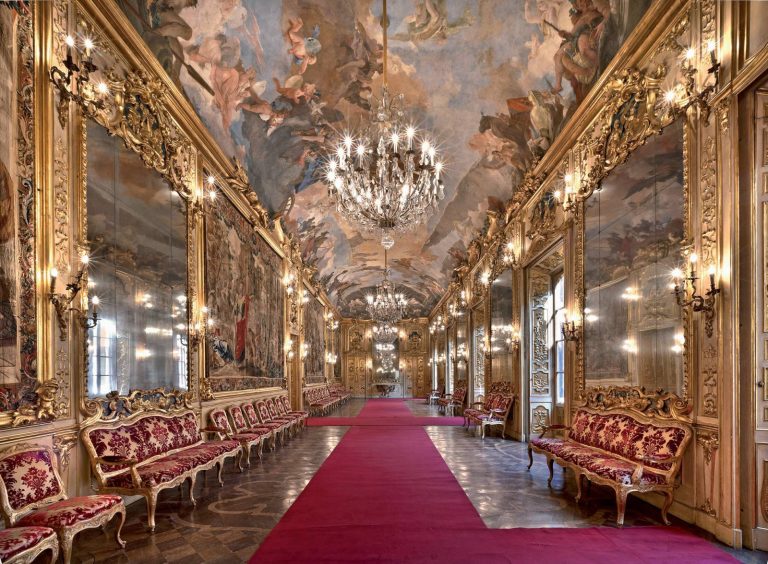
Perhaps the most spectacular setting in the film is, most likely, Palazzo Clerici. It is a historic residence, one of the most famous in Milan, now home to thethe Institute for International Political Studies. It is located on Via Clerici, just a stone’s throw from the Duomo and the financial district. The distinctive feature of this complex, which dates back to the 17th century, is the contrast between its contents and its exterior. In fact, its facade is surprisingly understated compared to the splendor of the interiors. The palace was originally owned by the Visconti family of Somma Lombardo and was later purchased by the Clerici family—a family of extremely wealthy silk merchants. The most famous feature of the complex is the Tiepolo Gallery, one of the great masterpieces of European Rococo. In 1741, Giambattista Tiepolo painted the monumental fresco *The Chariot of the Sun Racing Across the Sky of Olympus* on the ceiling.
With Tourial, you can create your own personalized itinerary with just a few clicks!
Lake Como
After Milan, the itinerary continues on to Lake Como. Its lakeside villas and romantic landscapes seem tailor-made for a film like *The Devil Wears Prada 2*.
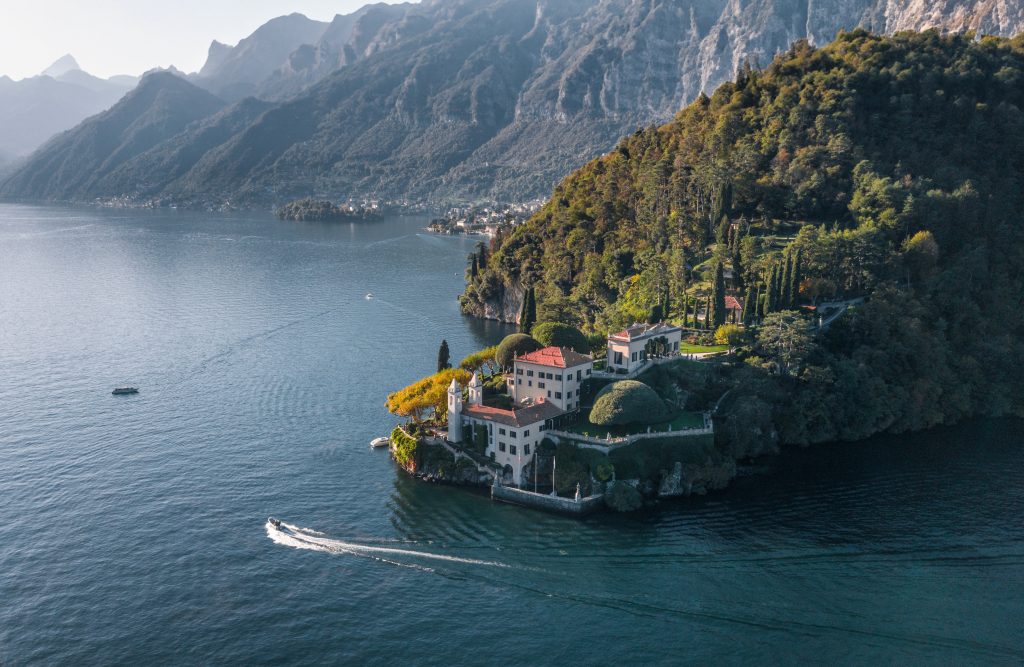
Villa Balbiano
Villa Balbiano is one of the most spectacular and cinematic residences on Lake Como. It stands directly on the water in Ossuccio, in the Tremezzina area, and is one of the most magnificent examples of a 17th-century aristocratic villa on the lake. The complex was built in the late 16th century by Cardinal Tolomeo Gallio. Nevertheless, it owes its current monumental 17th-century appearance to Cardinal Angelo Maria Durini and, above all, to the Balbiano family, from whom it takes its name. Over the centuries, it became a symbol of luxury and the lavish social life of the Lombard aristocracy.